


Description
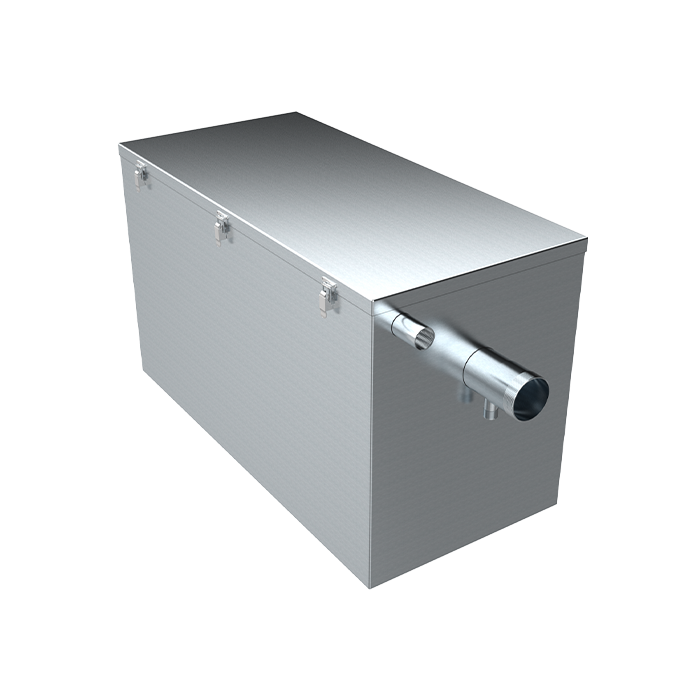
Solvent and oil interceptor is a specialized wastewater treatment device designed to separate and retain oils, petroleum products, solvents, and other light liquid contaminants before they enter the sanitary sewer or drainage system. Commonly used in automotive facilities, maintenance shops, manufacturing plants, laboratories, and industrial environments, these interceptors help protect plumbing infrastructure, support environmental compliance, and prevent harmful substances from being discharged into municipal wastewater systems.
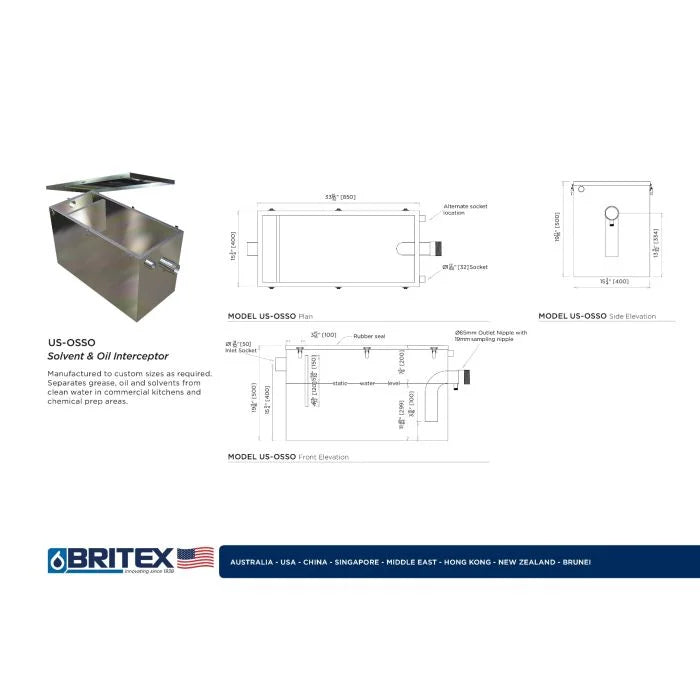
The interceptor operates by slowing wastewater flow, allowing lighter-than-water contaminants such as oils, fuels, lubricants, and certain solvents to rise to the surface for containment while solids settle to the bottom. The treated water then exits the interceptor, reducing the concentration of pollutants entering downstream piping and treatment facilities. Constructed from durable, corrosion-resistant materials, solvent and oil interceptors are engineered for long-term performance and feature accessible covers for inspection, cleaning, and maintenance.
Key Features:
- Separates and captures oils, fuels, lubricants, and solvent-based contaminants from wastewater
- Helps prevent environmental contamination and sewer system damage
- Supports compliance with local plumbing, wastewater, and environmental regulations
- Durable corrosion-resistant construction for demanding commercial and industrial applications
- Accessible design for efficient inspection, cleaning, and maintenance
- Available in multiple sizes and capacities to meet project requirements
- Protects downstream plumbing systems and wastewater treatment infrastructure
Typical Applications:
- Automotive service and repair facilities
- Fleet maintenance and transportation centers
- Manufacturing and industrial plants
- Laboratories and research facilities
- Equipment wash-down areas
- Aircraft maintenance facilities
- Government and military installations
Solvent and oil interceptors provide a dependable solution for managing contaminated wastewater, helping facilities maintain regulatory compliance, protect plumbing systems, and reduce the environmental impact of oil and solvent discharges.